Health & Nutrition
The Smoothie Diet: Does It Actually Work?
A practical, science-backed guide to using smoothies for weight loss, better energy, and a healthier gut — without starving yourself.
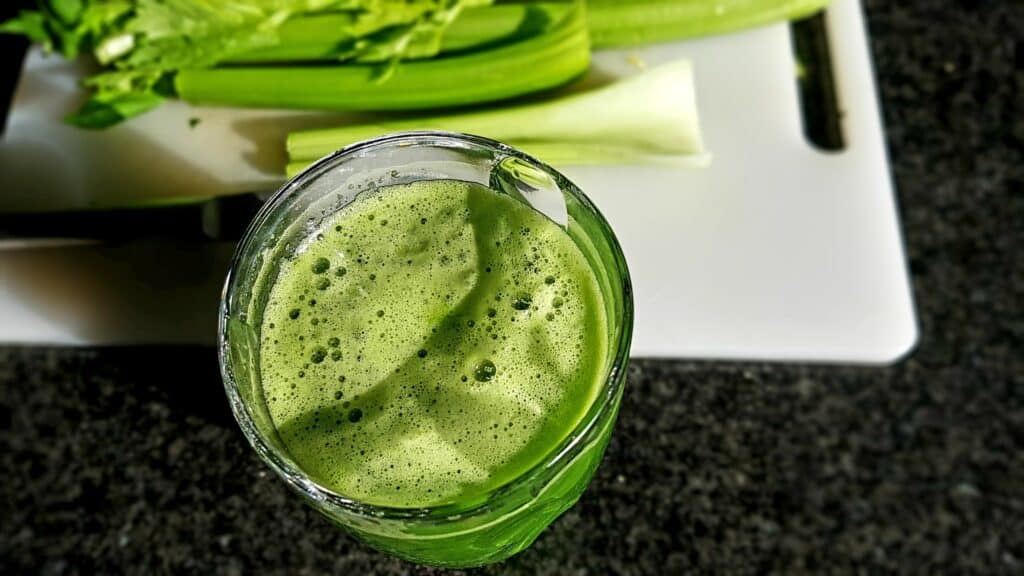
You’ve probably seen it everywhere – Instagram reels, YouTube transformations, and maybe a friend who swears by blending kale, banana, and almond milk every morning. The smoothie diet has gone from niche trend to mainstream health strategy, and for good reason.
But is it all hype? Or can replacing one or two meals with a nutrient-packed smoothie actually help you shed weight, feel more energetic, and clean up your eating habits? The answer is nuanced – and this guide will walk you through everything honestly.
Whether you’re starting from scratch or looking to fine-tune an existing routine, this article covers the real science, the practical dos and don’ts, proven recipes, and a beginner-friendly 7-day plan to get you going.
21
Days
1–2
Meals replaced daily
10lbs
Avg. 3-week loss*
400+
Cal per smoothie
*Results vary. Individual outcomes depend on diet quality, activity level, and metabolism.
📋 In this article
2. Does the Smoothie Diet Work for Weight Loss?
3. 7 Real Benefits You Can Expect
4. 3 Smoothies That Actually Fill You Up
5. 7-Day Beginner Smoothie Meal Plan
6. 5 Mistakes That Sabotage Results
7. Frequently Asked Questions
What Is the Smoothie Diet?
At its core, the smoothie diet involves replacing one or two meals per day with a blended drink made from whole fruits, vegetables, protein sources, and healthy fats – while eating a balanced third meal. It’s not a juice cleanse, and it’s not about starvation.
The most well-known version is the 21-Day Smoothie Diet, popularized by nutritionist Drew Sgoutas. His approach replaces breakfast and lunch with smoothies, keeps one whole-food dinner, and allows healthy snacks. The formula is simple: reduce processed food intake, flood your body with micronutrients, and create a moderate calorie deficit without deprivation.
“Unlike crash diets that leave you miserable, a smoothie-based eating plan works with your body’s hunger signals — not against them.”
What separates this from other fad diets is density. A 400-calorie smoothie packed with spinach, berries, oats, flaxseed, and protein powder delivers far more nutrition than a 400-calorie muffin. You’re not just cutting calories – you’re upgrading them.
Stop Guessing. Enjoy Healthy Smoothies.
Get access to a proven smoothie plan featuring nutrient-rich recipes, lists, meal plans, and healthy smoothie ideas designed to make healthy eating simple and enjoyable.
Does the Smoothie Diet Work for Weight Loss?
Short answer: yes, when done right. Let’s talk about why.
Weight loss, at its most fundamental level, requires a calorie deficit. By replacing higher-calorie, often processed meals with nutrient-dense smoothies, most people naturally consume fewer calories without counting obsessively. Studies on meal replacement diets consistently show they’re effective for short-term weight loss — and smoothies can serve the same function when properly formulated.
A 2020 review published in the journal Nutrients found that meal replacement strategies reduced body weight by an average of 5–8% over 12 weeks compared to conventional diets. The key variables were protein content, fiber, and satiety — all of which a well-made smoothie can deliver.
There’s also the metabolic reset effect. When you dramatically reduce sugar, salt, and ultra-processed foods — which smoothies naturally do — your taste preferences shift within 10–14 days. Foods that seemed bland before start tasting satisfying. This is one of the most underappreciated benefits of a smoothie-based eating pattern.
 Important: Smoothies work best when made with whole ingredients — not store-bought, sugar-laden bottled versions. Always check labels or, better yet, blend your own.
Stop Guessing. Enjoy Healthy Smoothies.
Get access to a proven smoothie plan featuring nutrient-rich recipes, lists, meal plans, and healthy smoothie ideas designed to make healthy eating simple and enjoyable.
7 Real Benefits You Can Expect
Beyond the scale, people who follow a structured smoothie diet report a wide range of improvements across energy, digestion, skin, and mental clarity. Here’s what the research and real-world experience tell us.
Sustained Energy
Natural sugars plus fiber means slower glucose release — no afternoon crash.
Gut Health Reset
High-fiber ingredients feed good gut bacteria, reducing bloating and irregularity.
Clearer Skin
Antioxidants from berries and greens help fight inflammation linked to breakouts.
Mental Clarity
Steady blood sugar and better hydration both improve focus and mood.
Better Sleep
Magnesium-rich foods like spinach and bananas support melatonin production.
Reduced Cravings
Getting enough micronutrients reduces the "phantom hunger" that drives snacking.
Better Hydration
High water content from fruits and added liquids contributes to daily fluid goals.
Sustainable Deficit
Replacing 500–600 calorie breakfasts creates a deficit without feeling deprived.
Join Thousands of Smoothie Lovers
Discover the recipes everyone is talking about.
3 Smoothies That Actually Fill You Up
Not all smoothies are equal. The difference between one that keeps you full for 4 hours and one that has you raiding the pantry by 10am comes down to three things: protein, fiber, and healthy fat. Every recipe below hits all three.
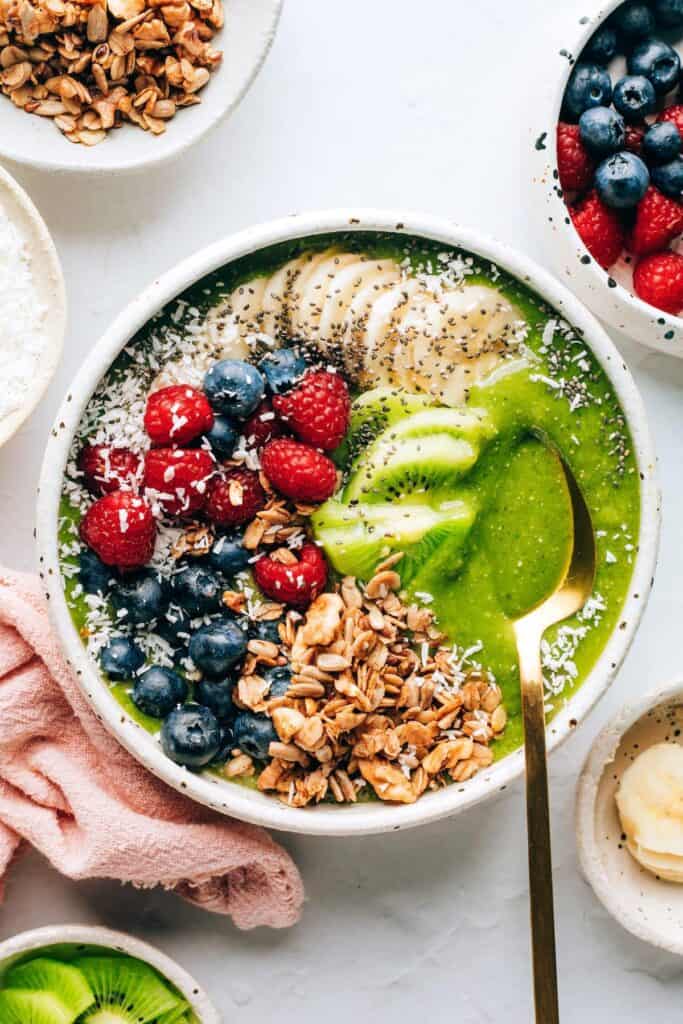
The Green Powerhouse
~360 cal · High Fiber · Energizing
- 2 large handfuls fresh spinach
- 1 frozen banana (adds creaminess + natural sweetness)
- ½ cup frozen mango chunks
- 1 tbsp chia seeds
- 1 scoop vanilla protein powder (20g protein)
- 1 cup unsweetened almond milk
- Squeeze of fresh lime
How to make it: Blend greens with liquid first for 20 seconds, then add remaining ingredients. Blend 60 more seconds until silky smooth.
Gluten-free
Dairy-free
Pre-workout
Berry Gut-Reset
~310 cal · Probiotic Boost · Anti-inflammatory
- ½ cup frozen wild blueberries
- ½ cup frozen strawberries
- ¼ cup plain Greek yogurt (or coconut yogurt)
- 1 tbsp ground flaxseed
- 1 tsp raw honey
- ½ tsp turmeric powder
- 1 cup water + a few ice cubes
Probiotic
Anti-inflammatory
Skin health
ropical Fat-Burner
~390 cal · High Protein · Keeps you full 4–5 hrs
- ½ cup frozen pineapple chunks
- ½ frozen banana
- 2 tbsp natural almond butter
- 1 scoop unflavored or vanilla protein powder
- ½ tsp ginger (fresh or ground)
- 1 cup coconut water
- Handful of ice
High protein
Metabolism boost
Post-workout
7-Day Beginner Smoothie Meal Plan
This plan replaces breakfast and one snack with smoothies, keeps lunch and dinner as whole-food meals, and is designed for someone eating roughly 1,600–1,900 calories per day. Adjust portions to your needs.
| Day | Breakfast Smoothie | Lunch | Dinner |
|---|---|---|---|
| Mon | Green Powerhouse | Grilled chicken salad + olive oil dressing | Salmon with roasted sweet potato + greens |
| Tue | Berry Gut-Reset | Lentil soup + whole-grain bread | Stir-fried tofu with brown rice + veggies |
| Wed | Tropical Fat-Burner | Turkey wrap with avocado + spinach | Chicken thighs + quinoa + broccoli |
| Thu | Green Powerhouse | Chickpea & cucumber salad + lemon tahini | Baked cod + mashed cauliflower + asparagus |
| Fri | Berry Gut-Reset | Egg salad on lettuce cups | Beef stir-fry with bell peppers + brown rice |
| Sat | Tropical Fat-Burner | Grilled veggie flatbread + hummus | Shrimp tacos with cabbage slaw + lime |
| Sun | Your choice | Big mixed greens bowl + whatever protein | Rest day — enjoy a balanced meal you love |
Snacks between meals can include a small handful of nuts, a piece of fruit, celery with almond butter, or plain Greek yogurt. Stay hydrated — aim for 2–2.5L of water daily.
Join Thousands of Smoothie Lovers
Discover the recipes everyone is talking about.
5 Mistakes That Sabotage Your Smoothie Diet Results
Most people who try the smoothie diet and quit early make the same handful of mistakes. Avoid these and you’re already ahead of the crowd.
1. Treating it like a dessert
Adding sweetened yogurt, fruit juice, honey, flavored protein powder, and frozen fruit in the same blender creates a sugar bomb that can push 700+ calories. Choose one natural sweetener maximum, use unsweetened bases, and keep fruit to 1 cup per serving.
2. Skipping protein entirely
A smoothie without protein is a hunger accelerator. Without it, blood sugar spikes fast and crashes faster. Add at least 20 grams of protein through Greek yogurt, protein powder, hemp seeds, or silken tofu in every meal-replacement smoothie.
3. Not eating enough at dinner
The smoothie diet isn’t a fast. Your dinner should be a proper, satisfying whole-food meal. Skimping at dinner leads to late-night cravings and ultimately, bingeing. Prioritize lean protein, complex carbs, and vegetables.
4. Blending everything at once without preparation
Prep is the secret weapon. Spending 30 minutes on Sunday portioning out smoothie ingredients into labeled freezer bags makes the difference between blending at 7am and skipping it because you’re rushed. Prep 5 bags at a time — it takes 20 minutes and saves your whole week.
5. Expecting results without any other changes
Smoothies are a tool, not a miracle. Pair them with 30 minutes of movement most days, 7–8 hours of sleep, and reduced ultra-processed foods outside of smoothie meals. The compounding effect of these habits is where real transformation happens.
Frequently Asked Questions
How long does it take to see results on the smoothie diet?
Can I do the smoothie diet if I'm vegetarian or vegan?
Can I drink coffee while on the smoothie diet?
Is the smoothie diet safe long-term?
What blender do I need?
Ready to Start?
The smoothie diet works — not because it’s magic, but because it makes eating well genuinely easier. It reduces decision fatigue, replaces calorie-dense meals with nutrient-dense ones, and gives your gut a break from the inflammatory foods most of us eat without thinking.
Start with the 7-day plan above. Focus on the three recipes until they feel automatic. Keep your dinner real, whole, and satisfying. Move your body, sleep enough, and watch what happens in 21 days.
The best diet is one you can actually stick to. A daily smoothie is a habit most people find surprisingly easy to maintain — and that sustainability is where lasting results come from.
🥤 Your Next Favorite Smoothie Is Waiting
Discover recipes you'll actually look forward to drinking.